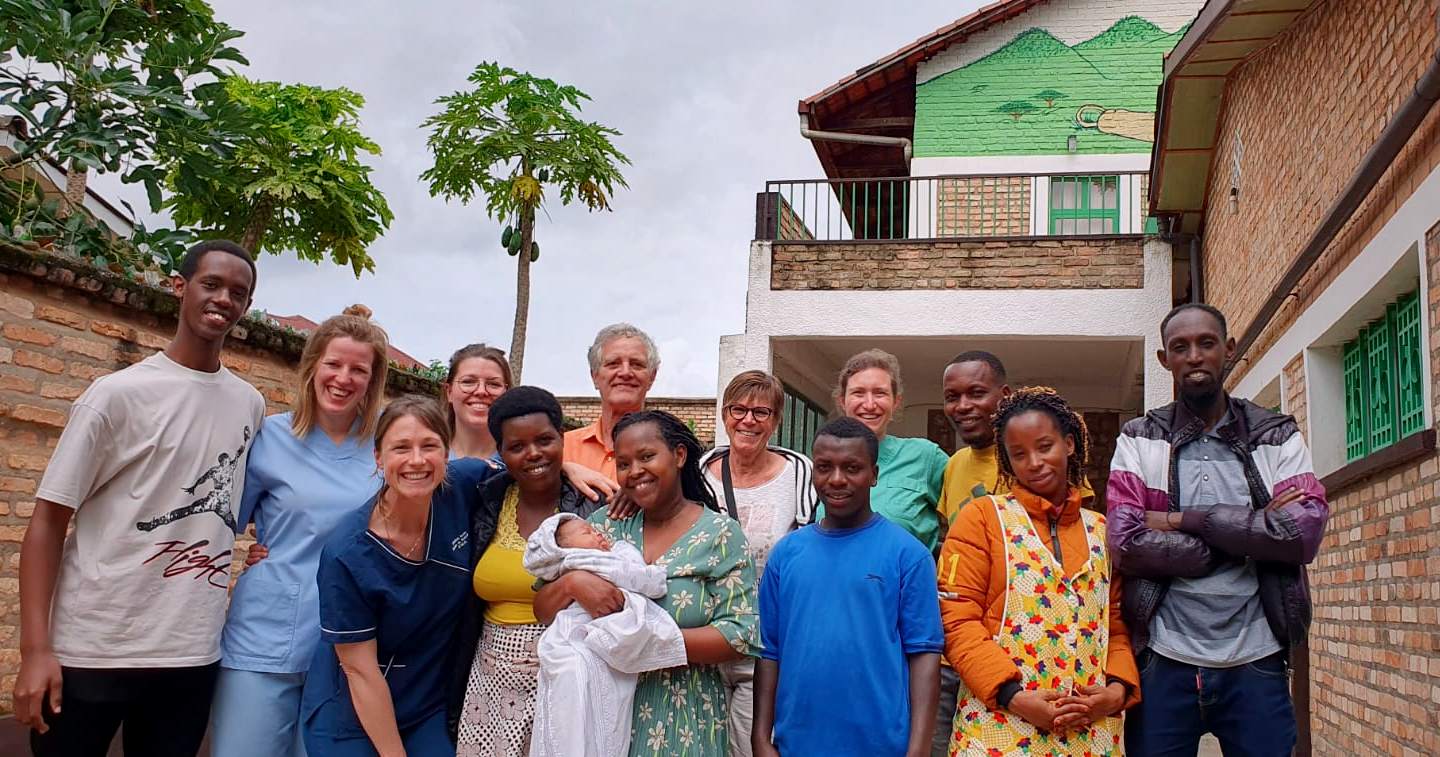

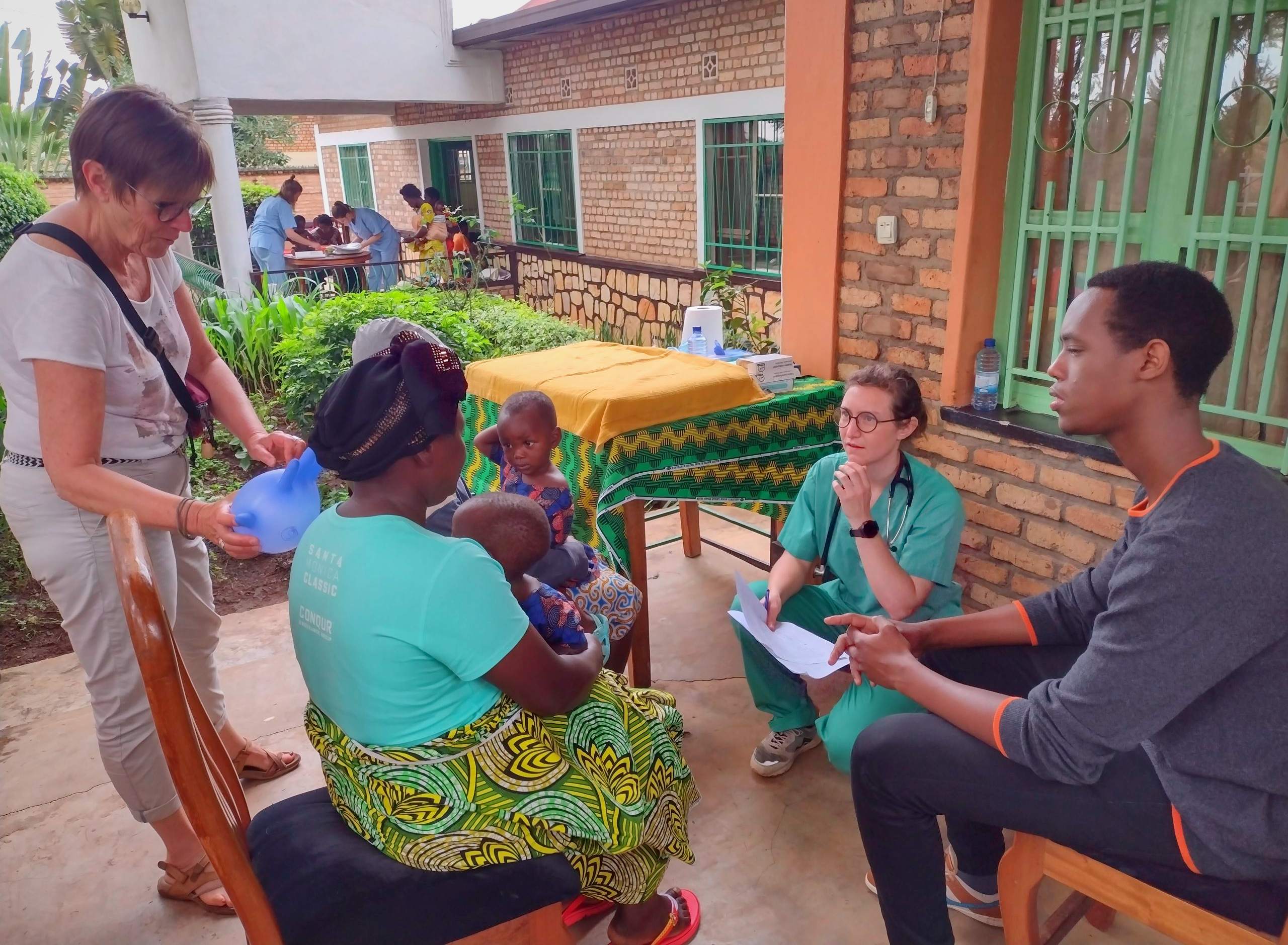
Some parents in Huye district, whose children are born with low birth weight (LBW) say that the UMUBANO-IMPORE Organization has raised the hope of survival for their children, by providing assistance for medical care and support in obtaining a balanced diet.
According to the recommendations by health professionals, a baby should weigh 2500g (2.5kg) or more at birth.
If the weight is below that but not less than 1500g (1.5kg), the child is classified as having low birth weight, while those born weighing less than 1500g are considered to have very low birth weight. These children are at a higher risk of malnutrition, stunting, and even death at a young age.
In Huye district, a study conducted by UMUBANO-IMPORE, in 2015, revealed that 20% of LBW babies failed to survive within two years after being discharged from Kabutare Hospital, while 75% suffered from malnutrition.
Since January 2019, this organization initiated a project called RIMMAP [Reducing Infant Mortality & Malnutrition Among Preterms], aimed at improving the health conditions of LBW babies in Huye district.
Their support includes providing adequate nutrition to combat malnutrition and offering medical care whenever the children are ill.
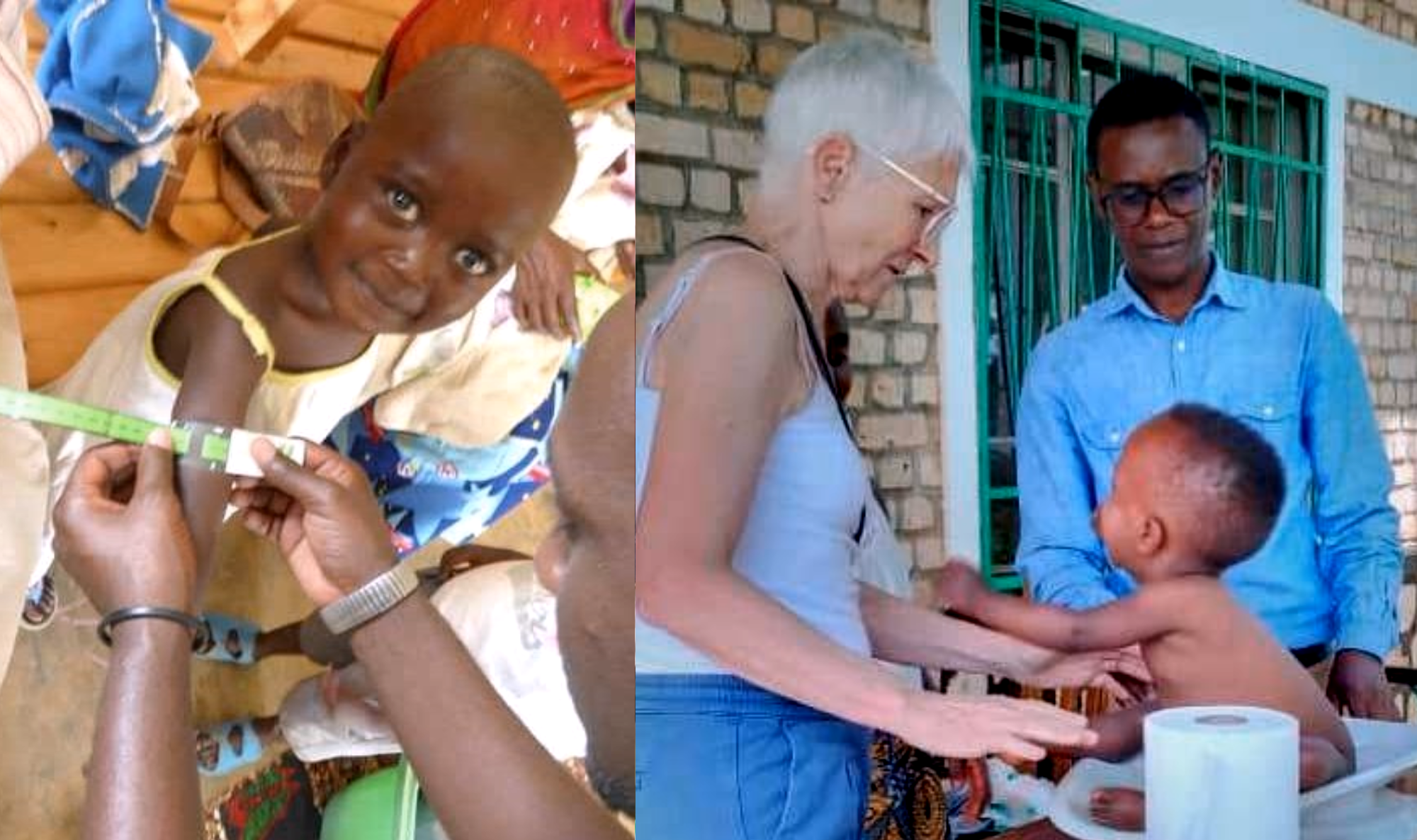
Habimana François, the Project Manager at UMUBANO-IMPORE, says that their main goal is “to reduce their deaths [LBW babies deaths] because when they left the Neonatology services at the hospital, they returned home with no follow-up, and many children ended up passing away.”
As of January 15, 2025, the organization was helping 1,330 LBW babies.
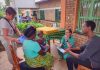
Uwingabire Alodia from Tumba Sector, Cyarwa Cell, Icyiri Village, and Murerehe Clementine from Rwaniro Sector, Kamwambi Cell, Kamwambi Village, are among the parents with children supported by this program, who spoke to buzima.rw
Both parents say that the UMUBANO-IMPORE organization has increased their children’s chances of survival.
Uwingabire Alodia says that her child was born weighing 2.3kg due to a heart problem. This issue was discovered two weeks after the child was born.
After noticing the condition, Kabutare Hospital referred her to Kanombe Military Hospital, but she lacked the means to go there. “I was thinking about how I would go to Kanombe, where I would get the money for transportation and the treatment, and I felt overwhelmed.” she said.
After six months having no solution, the UMUBANO-IMPORE organization reached out to her village to help children born with low birth weight. Hers was also selected.
Since then, the organization started supporting her child’s treatment, providing tickets for travel to Kanombe, whenever she had an appointment with the doctor, and even covering the medical expenses.
Uwingabire says that in August 2024, her child underwent heart surgery at King Faisal Hospital. The cost of the surgery was covered by the government of Rwanda, while UMUBANO-IMPORE helped her with transportation and paid for the hospital expenses during the week she spent there.
In May of this year, this little girl will turn four years old, and she now weighs 12kg.
Her mother is grateful to the UMUBANO-IMPORE since she would not have been able to do it on her own. “Now she is doing much better. She received treatment, and I owe that to them because I would not have been able to manage it myself.” She said.
Murerehe Clementine, who gave birth to twins born prematurely at seven months, with each weighing 1400g, says that after two months of care in the hospital, they were discharged and sent home. The UMUBANO-IMPORE organization then started helping her to take care of the children by providing them with proper nutrition.
However, the older twin continued to suffer from malnutrition, as at the age of two, he weighed only 7kg due to respiratory issues.
The organization helped with medical treatment until he underwent surgery in July 2024 at the University Teaching Hospital of Butare (CHUB).
This little boy, who will turn three years old in April this year, now weighs 12kg.
Clementine is grateful for the support she received from the organization. “He is in good health. Without their help, he would have died.’
“I thank them, I wish I had something to offer in return, because raising these children is very challenging.” She added
Since UMUBANO-IMPORE began helping LBW babies, 28 out of 1,330 children they assist (2.1%) have passed away before reaching their first birthday. The deaths were due to underling health issues that could not have been prevented.
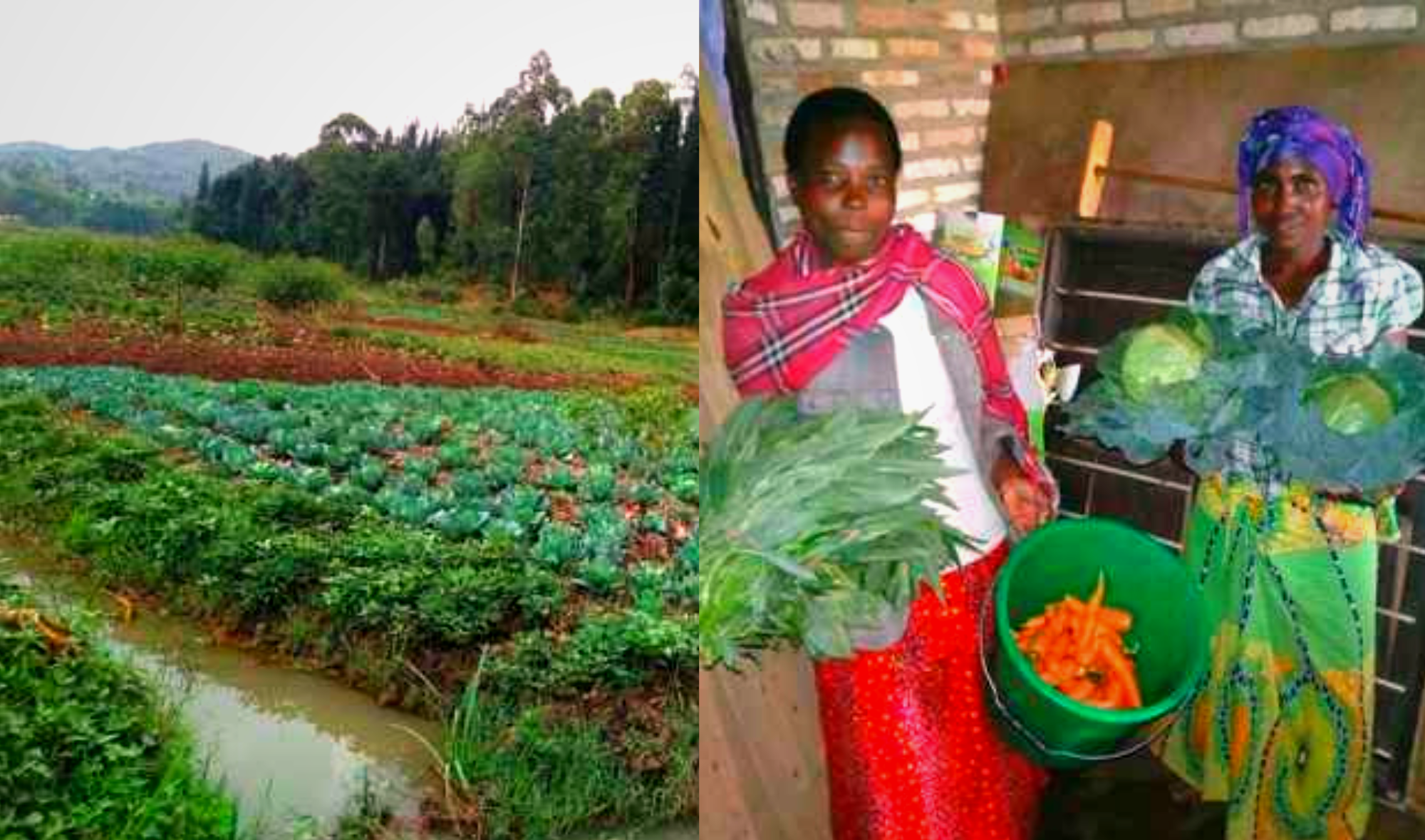
In addition to caring for LBW babies, UMUBANO-IMPORE organization also helps fight malnutrition in children under the age of five, through their project called MAMAs (Mother Against Malnutrition Association).
This project has so far reached 500 families from 12 of the poorest Cells in the Huye district.
The women’s associations committed to combating malnutrition, receive support to acquire plots of land to grow vegetables, tools, seeds, fertilizers, fruit trees, and livestock.
So far, 96% of children whose parents have been involved in MAMAs for at least one year have overcome malnutrition.
The founders of UMUBANO-IMPORE organization are proud of the work they are doing
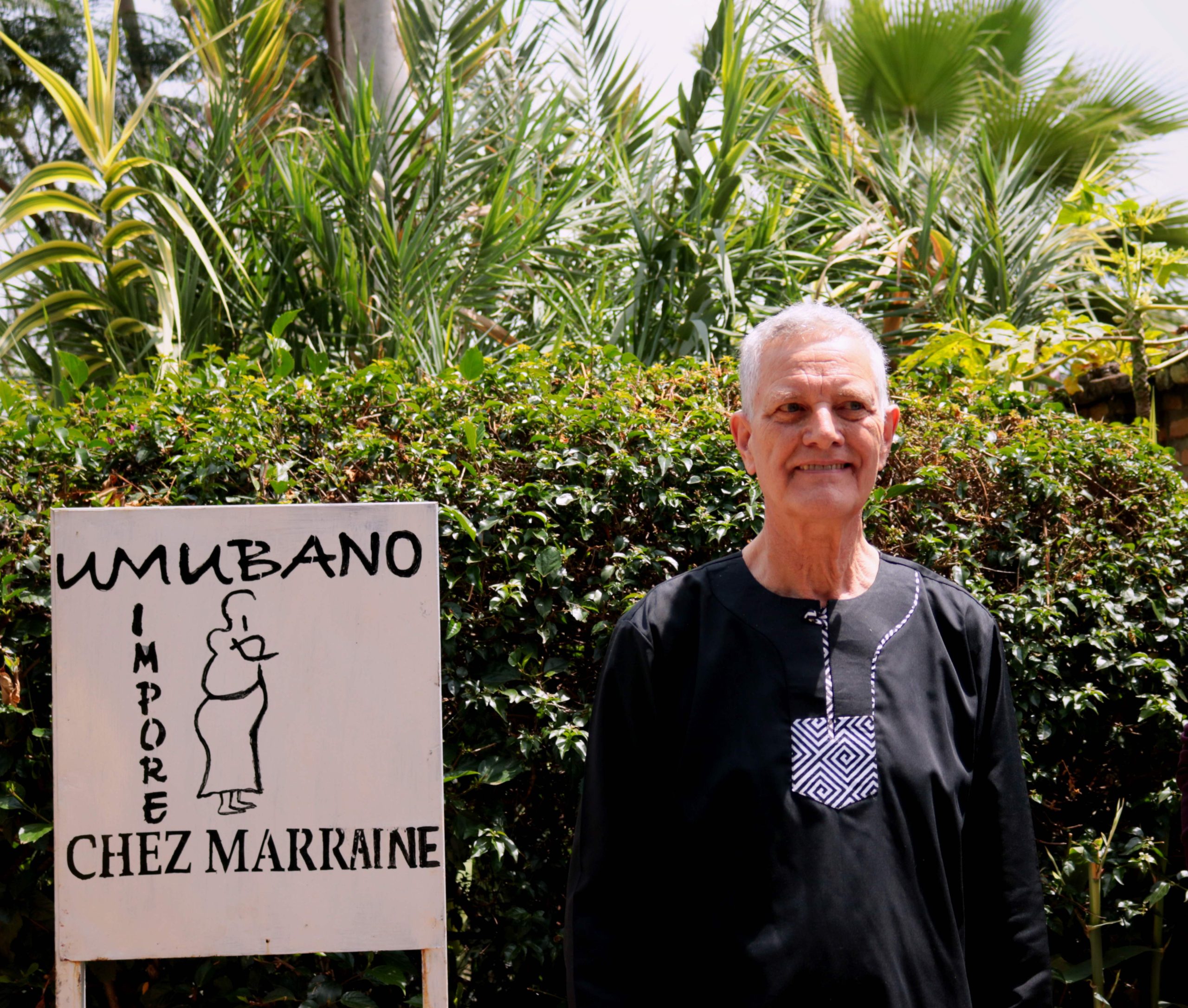
UMUBANO-IMPORE Organization has been operating in Huye district since 2005. It was founded by a Rwandan, Claudine Mukeshimana (RIP), and her husband, a Belgian national, Prof. Luk CANNOODT, who is also the current president of the organization.
The organization’s mission is to improve life expectancy of young children and improve quality of life of very vulnerable children in Huye district.
Prof. Luk says that before coming to Rwanda, he spent many years as an advisor to the different ministers of Health in Belgium, in relation to improving quality of care and quality of the organisation of mother and child health in the country.
However, he says it was a job that he could not tell if it was having an impact. “When you work in policy, you make policies but you do not know what results are!”
And now, he can see tangible results of the work the organization is doing. “I was really surprised to see how people are leaving and how the mother and child care was going on. So, that was the start of saying ‘we will do everything possible’ with our experience we have but also the motivation to do something that you also see the results.” He said.
He added that “Here we go and see where is the problem and what we can do about it. So, it is in fact, giving back to all that I received.”